Last summer a family of hedgehogs moved in to our garden. In the past years I saw one or two solitary ones,but this time a mother hedgehog made a giant nest under the chasteberry bush and had 3 babies.
Hedgehogs are beneficial to the garden. They eat fallen fruit,keep bug numbers in control, especially slugs and snails.It seems like they co-evolved.They’re both nocturnal and they like to shelter in corners and under the mulch.
I bury kitchen scraps under mulch which become full of earthworms, so there are plenty of their favorite food in our garden.
Summer was good and uneventful. At the end of summer hedgehogs made their hibernation nests with dry grass mulch and some fallen leaves.
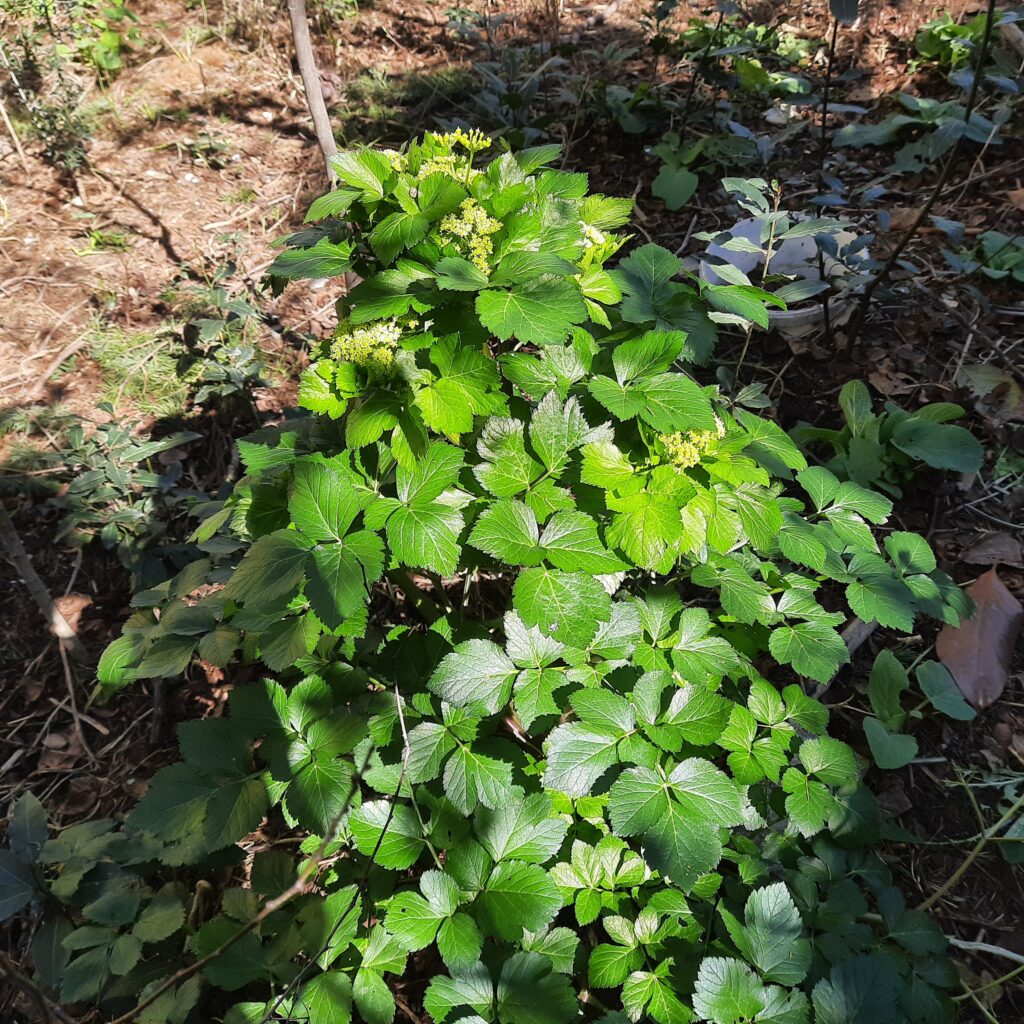
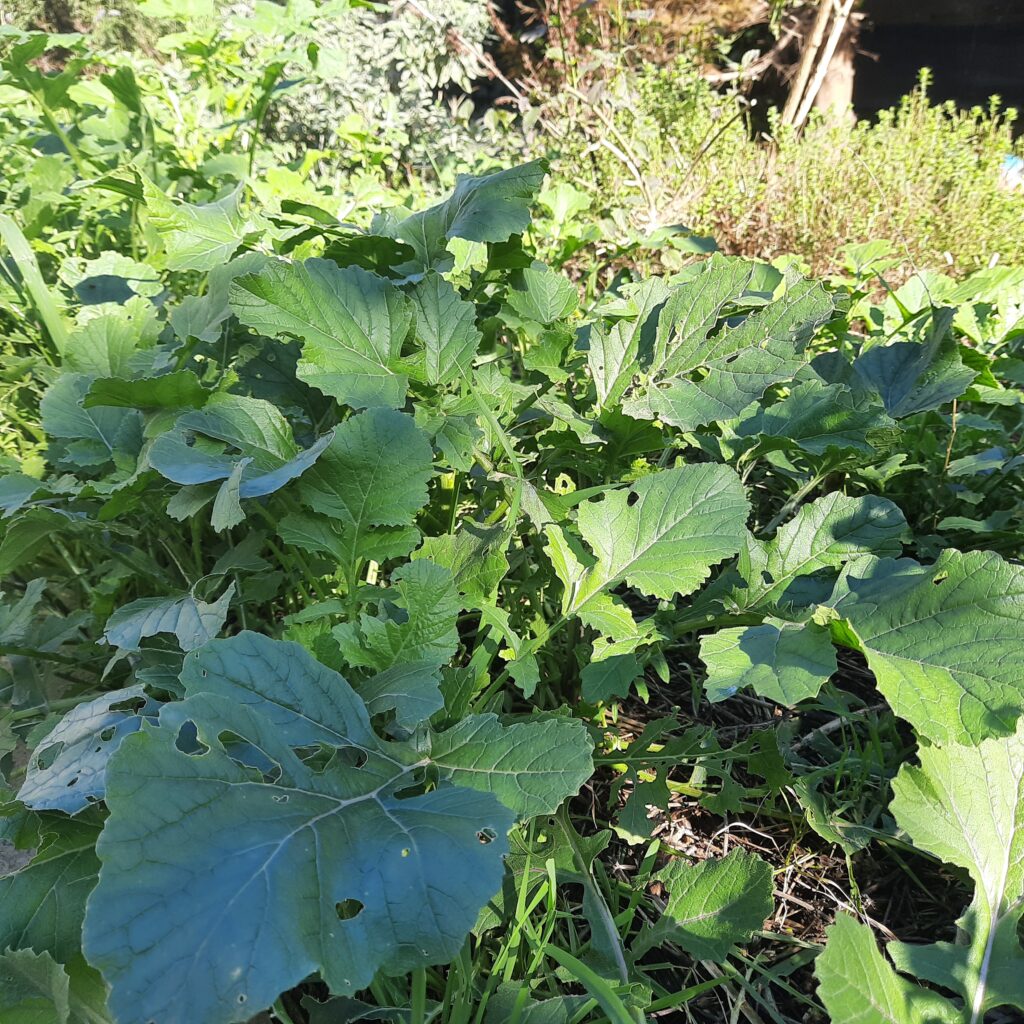
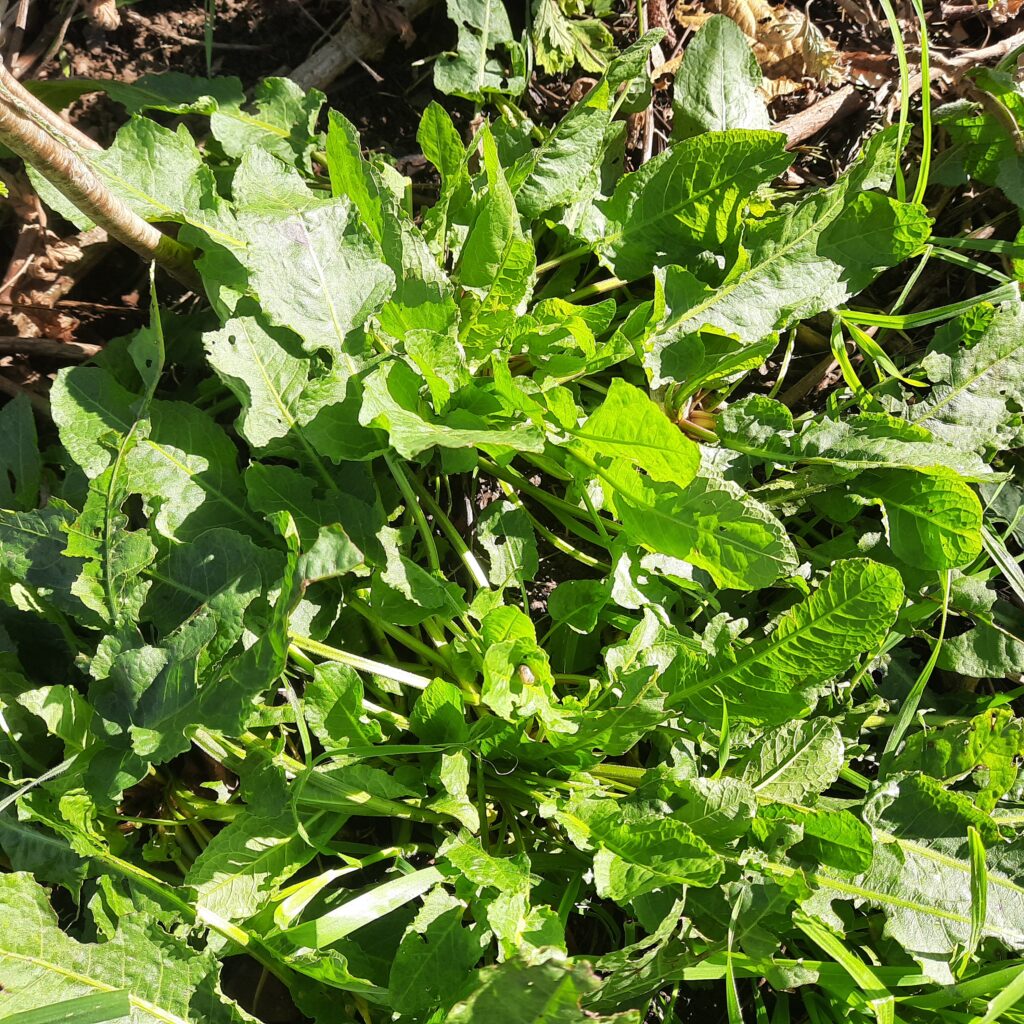
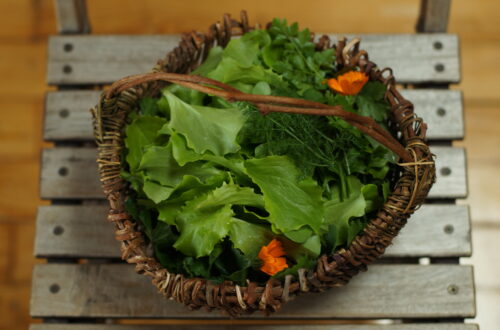
With the autumn rains the various wild greens that I really like sprouted,just like every year: rumex, dandelions,chicory,dead nettle, calendula..Fruit trees’ leaves fell.I leave all the leaves in place as mulch.
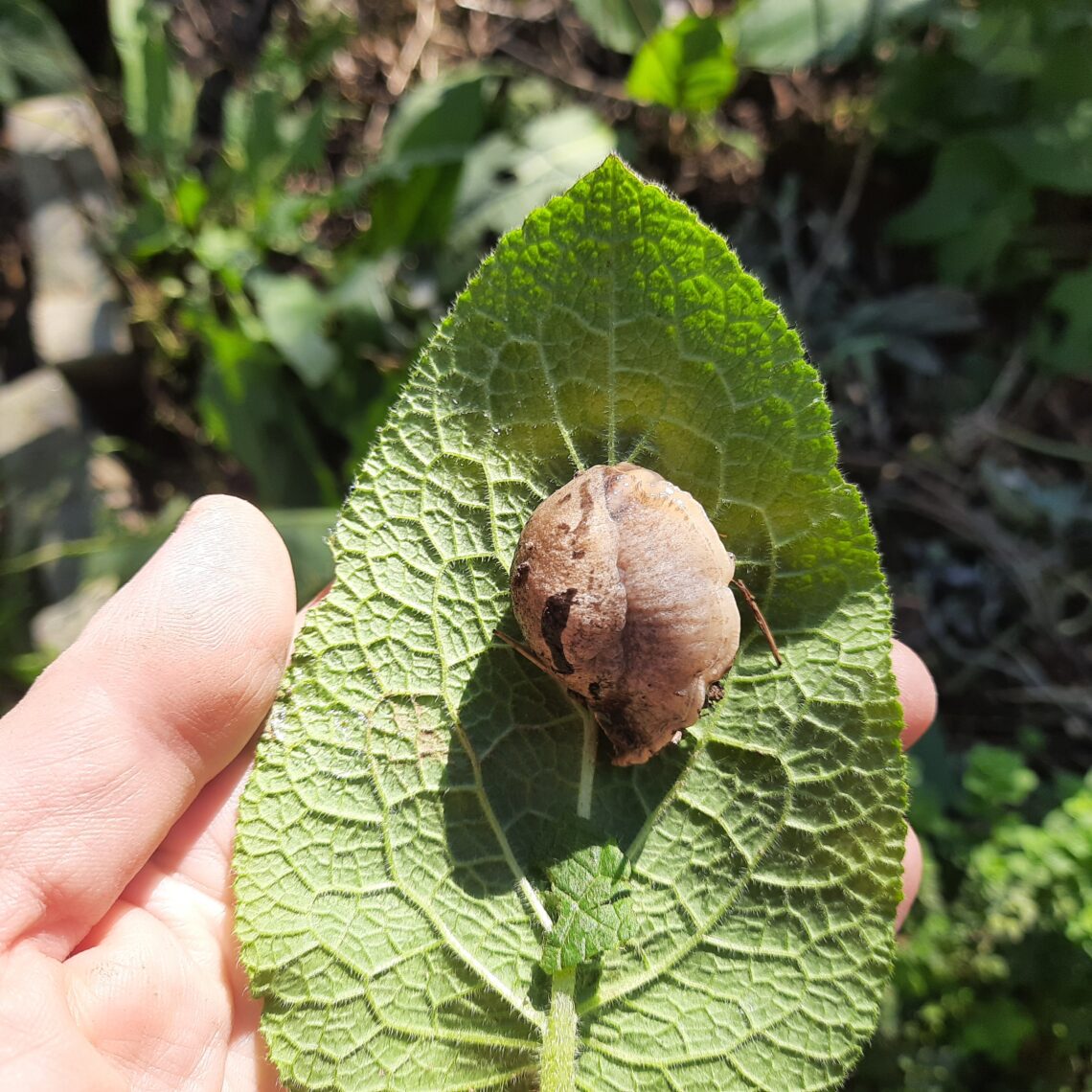
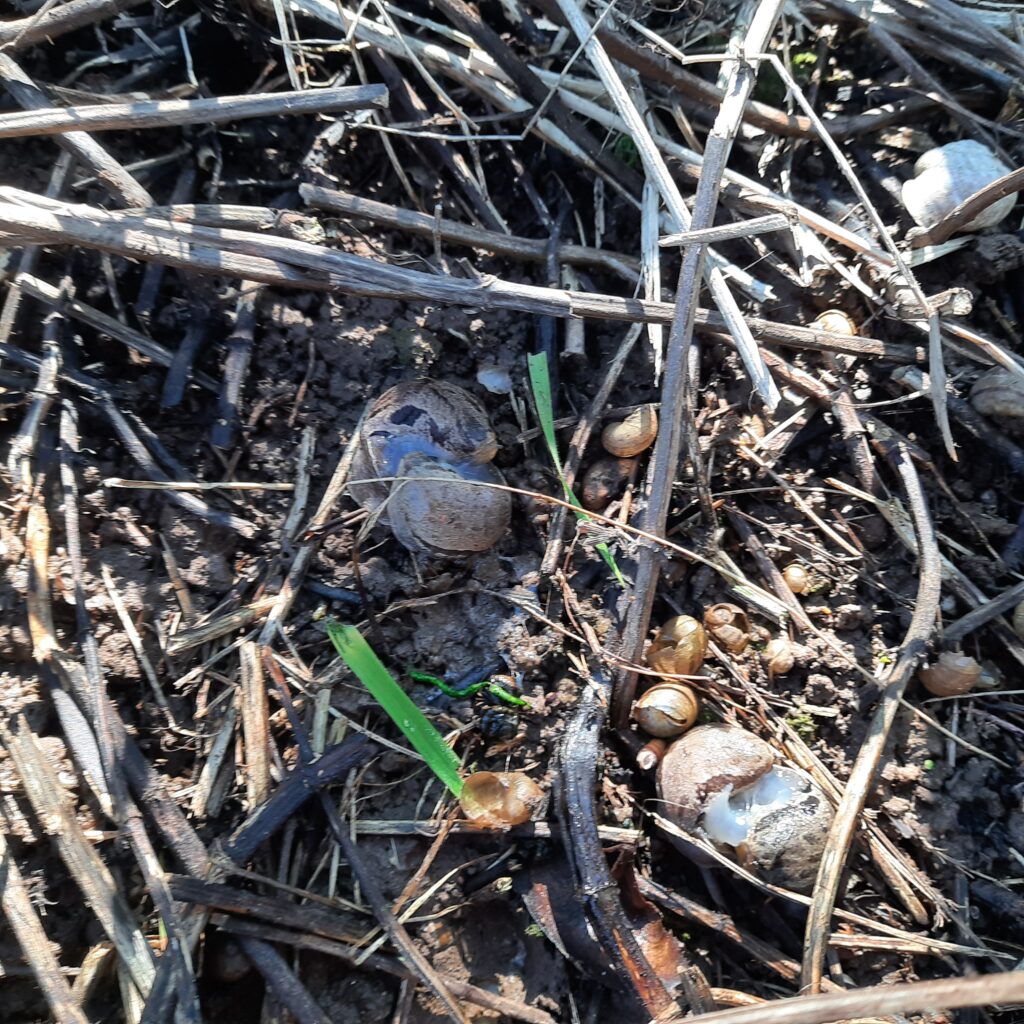
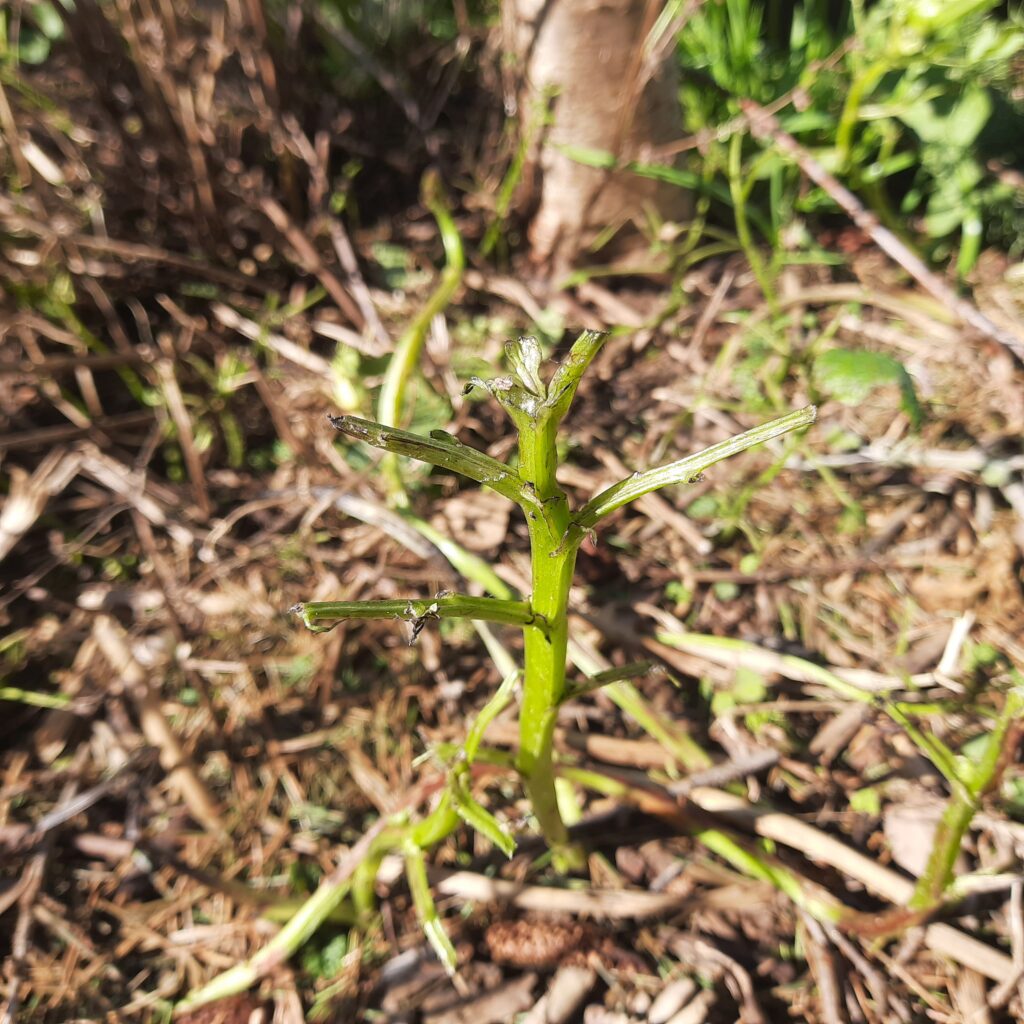
But after a month or so most of the wild greens, mint,fava beans that I sowed and fallen leaves were gone! But the soil was nice and crumbly and full of slug/snail manure!
What happened was, when hedgehogs went to hibernation and it rained non stop , slugs and snails had a population boost and ate all the fallen leaves and freshly sprouted wild greens. For conventional farmers this is a perfect scenario:no weeds, no plant residue,just bare soil..
So, now that the garden became a food forest, the routines that I’m accustomed to are changing. The garden is evolving and different elements get connected to each other.
Looking from hedgehogs’ perspective, all is well: when they wake up in spring, there will be plenty of slugs and snails for them to eat and gain back their lost calories.
But we want to find food such as greens and vegetables in the garden too.For this reason we have to find a middle way.
For 2 weeks I put on my gloves,took a bucket with me and every morning and some nights, collected each and every slug/snail I could find and dumped them outside the house, where people in the neighborhood throw their garden prunnings.
While collecting, I didn’t go over where hedgehogs’ nests were and left the snails/slugs that were around there.
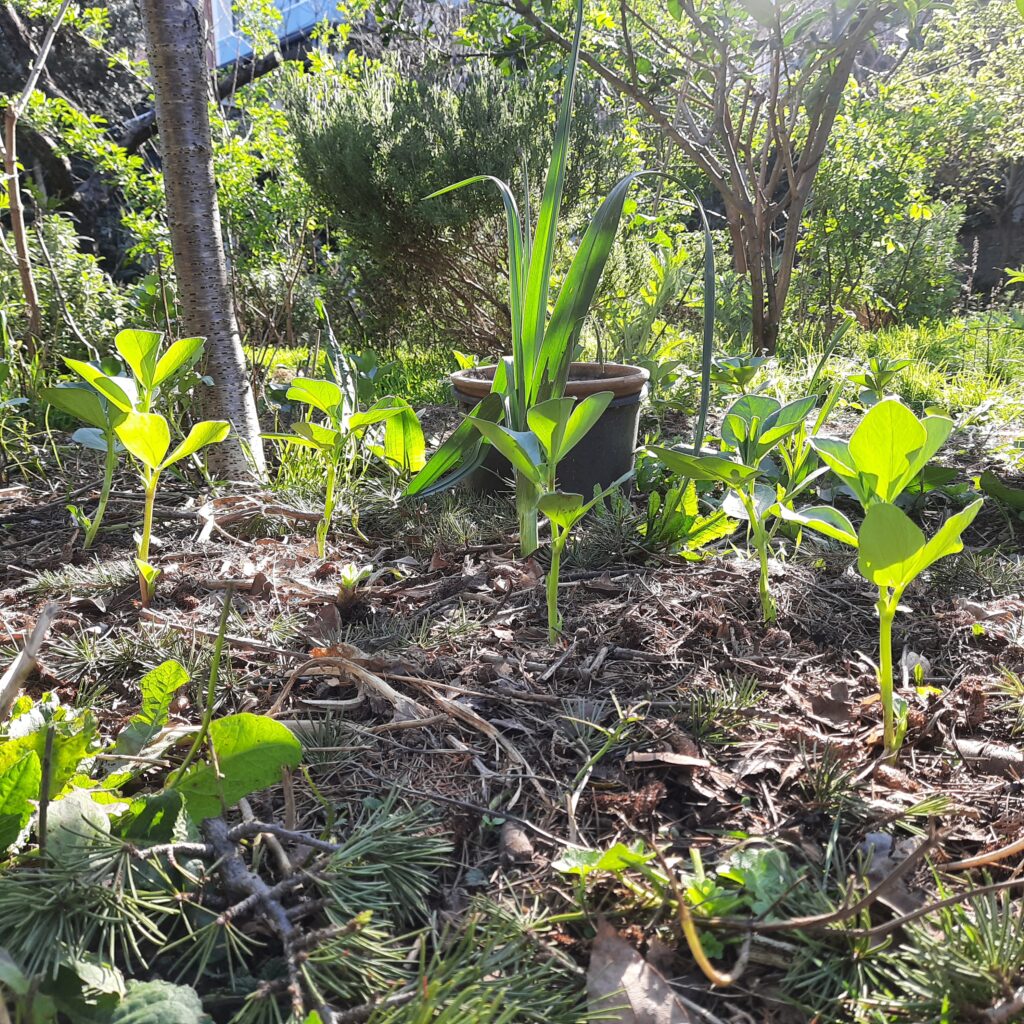
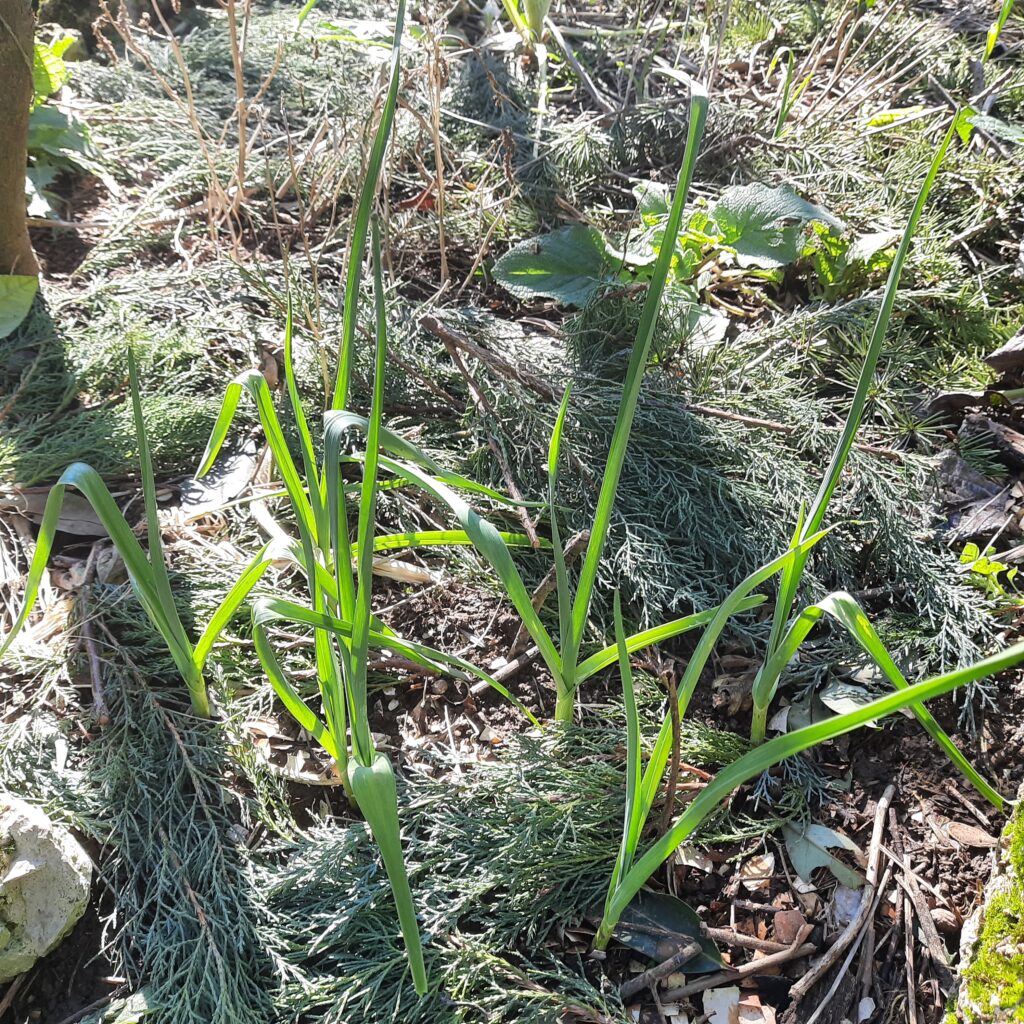
Meanwhile I planted extra fava beans in pots (normally I direct sow them in November and I harvest them without a fuss in May). When the rains stopped for a week, I transplanted the already tall favas in their place. I made sure there were no places for slugs to hide (they really like to hide inside comfrey plants).Then I collected some pine needles and put them around the plants as a mulch.I lost only 2 plants so far.The other ones are doing well.